
Forensic Scene Mapping & 3D Documentation
Forensic Mapping & Scene Documentation
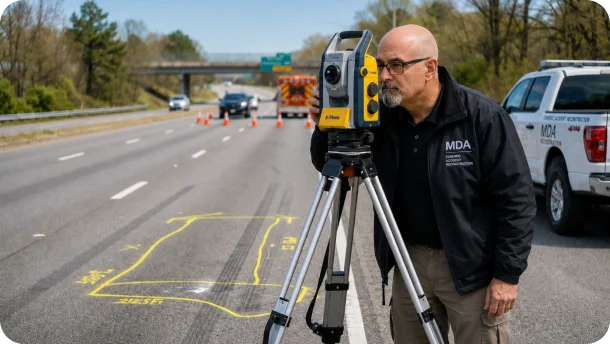
Gerald McDevitt performs forensic mapping to capture precise spatial data from crash scenes, crime scenes, and complex environments. This process documents physical evidence, positions, elevations, and scene geometry before conditions change.
All mapping is conducted using scientifically accepted methodologies to ensure accuracy, repeatability, and reliability. The resulting data forms the foundation for reconstruction analysis and is prepared for use in legal proceedings.
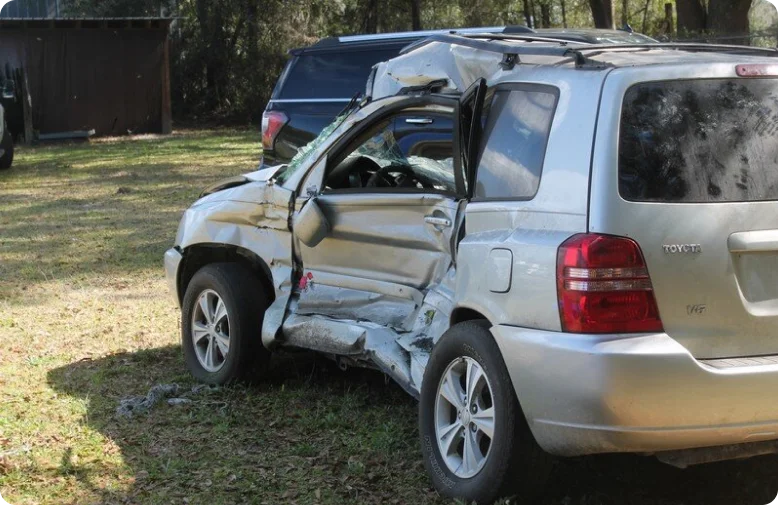
Accurate Scene Documentation for Attorneys, Insurers & Investigators
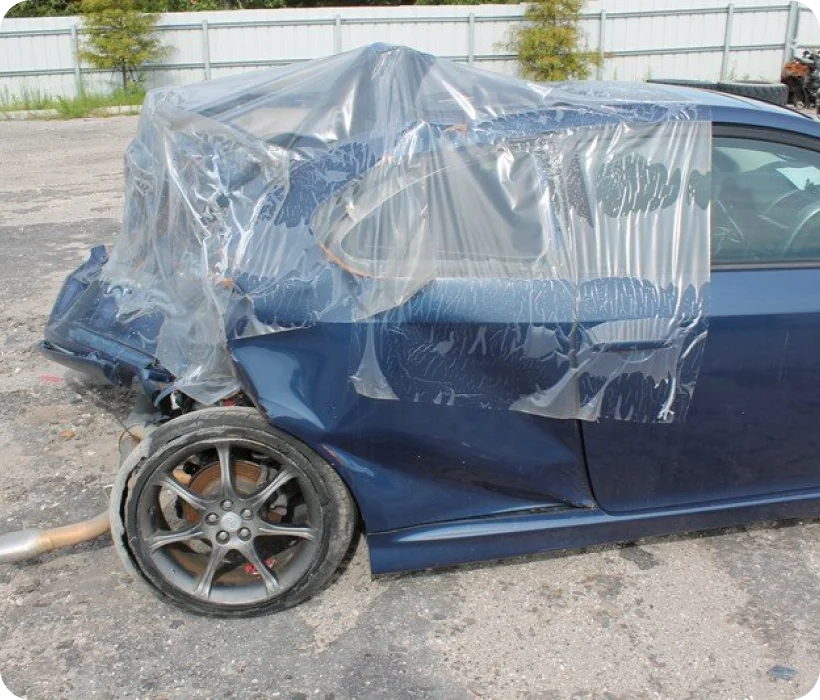
Forensic mapping preserves critical scene evidence that may otherwise be lost due to time, traffic, or environmental changes. Gerald McDevitt documents roadway geometry, vehicle positions, impact locations, and surrounding conditions using precise measurement techniques. This data allows the scene to be reconstructed and analyzed long after the incident, ensuring conclusions are based on reliable, measurable evidence that supports litigation and withstands cross-examination.
KEY AREAS OF ANALYSIS
- Vehicle position and final rest analysis
- Time-distance and sequence analysis
- Commercial & emergency vehicle incident documentation
- 3D scene documentation and spatial measurement
- Roadway geometry and surface conditions
- Evidence location mapping (debris, marks, impact points)
TYPES OF MAPPING APPLICATIONS

Crash Scene Mapping
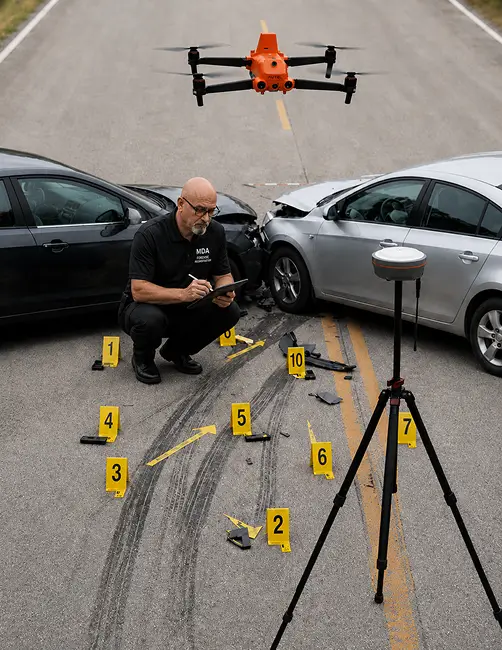
Crash scenes are documented through precise measurement of roadway evidence, vehicle positions, debris fields, and impact locations. This data allows Gerald McDevitt to reconstruct vehicle paths, speeds, and collision dynamics using reliable, measurable inputs.

Large-Scale & Complex Scene Documentation
Complex scenes such as highways, intersections, and multi-vehicle incidents require a combination of ground-based and aerial data collection. Multiple technologies are integrated to ensure complete scene coverage and accurate documentation.

Crime Scene Mapping
Crime scene mapping involves detailed documentation of locations where physical evidence is present, including spatial relationships and pattern evidence. Accurate mapping supports trajectory analysis, reconstruction, and the development of clear visual presentations for court.

Photogrammetry-Based Reconstruction
Photogrammetry uses high-resolution digital images to extract measurements and generate 3D models when direct scene measurements are not available. By establishing spatial relationships between known reference points, reliable data is produced for reconstruction and analysis.
Integrated Data for Accurate Reconstruction
Forensic mapping is not limited to a single tool or method. Gerald McDevitt integrates data from multiple sources, including LiDAR scanning, GNSS positioning, Total Station measurements, and photogrammetry. Physical evidence is documented with high precision, and all data is cross-referenced to ensure consistency. This integrated approach produces a complete and defensible reconstruction foundation.
Advanced Mapping Technology & Equipment
Gerald McDevitt utilizes professional-grade equipment to capture accurate, court-ready scene data. Each tool is selected based on case requirements to ensure precision, reliability, and defensible results.
- Recon3D (iOS-based LiDAR) for 3D documentation of vehicles, rooms, and limited-range scene elements
- Emlid RS3 GNSS for precise positioning
- Total Station (Sokkia) surveying for high-accuracy measurements
- Autel EVO II Pro RTK V3 drone for aerial photogrammetry
- High-resolution digital cameras for image-based analysis
- Racelogic VBOX GPS data logger for speed and motion data
Prepared for Legal Proceedings
All mapping outputs are prepared for use in deposition and trial, including scaled diagrams, 3D visualizations, and structured reports. Information is presented clearly to assist attorneys, judges, and juries in understanding complex spatial relationships and reconstruction findings.
All work is developed to meet evidentiary standards, including Daubert and Frye requirements where applicable.
Request Forensic Mapping Support for Your Case
Accurate scene documentation is critical to understanding how an incident occurred. Early involvement ensures that key evidence is preserved and analyzed using reliable methodologies.