


 (843) 343-4542
 gerry@mda-recon.com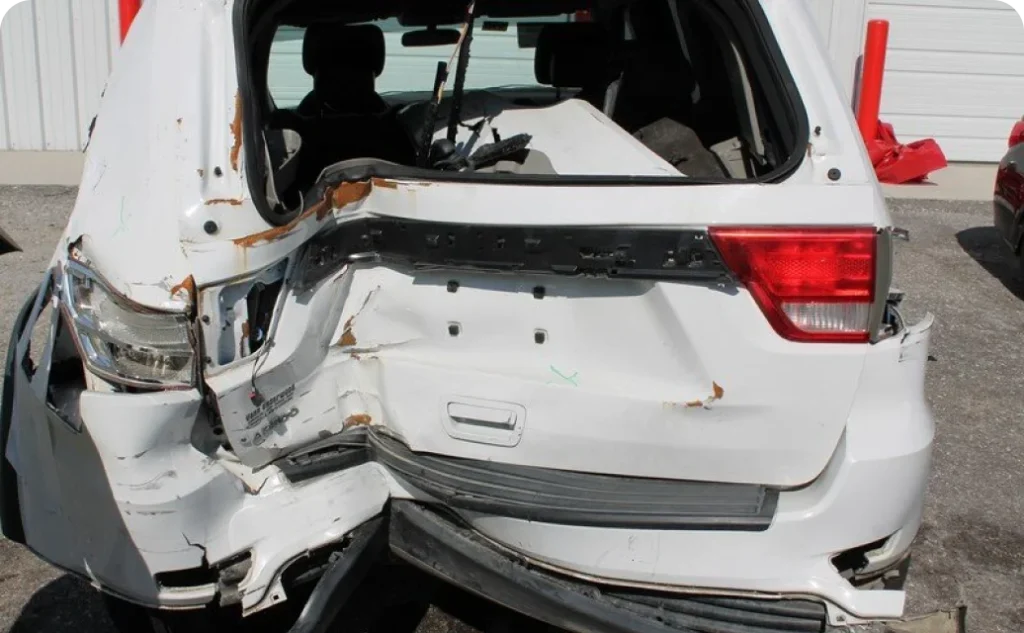
 Gerald C. McDevitt
Low Delta-V Collisions and Disputed Injury Claims: What the Physics Actually Show
Low-speed impacts produce less vehicle damage but can still generate significant occupant forces — forensic reconstruction can distinguish…
EDR data is often the most decisive evidence in a UCMJ vehicular manslaughter case — but it can be permanently lost if the vehicle is released, repaired, or destroyed before extraction.
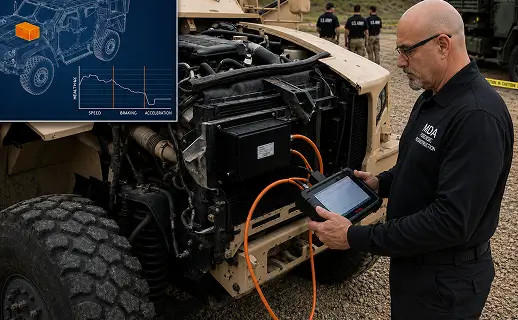
In military vehicular manslaughter and DUI fatality cases, there is often one piece of evidence that can prove or disprove the central facts of the case with scientific precision: the Event Data Recorder. Commonly referred to as the vehicle’s “black box,” the EDR captures critical data in the seconds before, during, and after a collision — data that can confirm or contradict witness testimony, law enforcement estimates, and the assumptions that both prosecution and defense may bring to the case.
For JAG attorneys handling court-martial proceedings involving fatal or serious-injury collisions, understanding what EDR data can reveal, how it is preserved, and how it is used in litigation is essential. This evidence is often decisive.
Most modern passenger vehicles manufactured after 2012 are equipped with an Event Data Recorder as part of the vehicle’s airbag control module (ACM). The EDR continuously monitors vehicle systems and, when triggered by a crash event, permanently records a snapshot of data from the seconds surrounding the impact.
The specific data captured varies by vehicle manufacturer, but it typically includes vehicle speed in the seconds leading up to the collision, brake application (whether and when the driver braked), throttle position and engine RPM, steering input, seatbelt status for the driver and front passenger, delta-V (the change in velocity during impact — a direct measurement of crash severity), and airbag deployment timing. Some newer vehicles also record lane departure warnings, stability control activation, and forward collision warning data.
This data is recorded in fractions-of-a-second intervals, creating a precise timeline of what the vehicle was doing in the moments that matter most. It is not opinion evidence. It is physical, electronic data recorded by the vehicle’s own systems.
Consider a military vehicular manslaughter case where the central question is speed. A witness estimates the vehicle was traveling “really fast.” The investigating officer estimates speed based on tire mark measurements. The defense argues the driver was within the speed limit. The EDR data shows the vehicle was traveling 78 miles per hour in a 35 zone, with no brake application until 0.5 seconds before impact.
That single data point — extracted directly from the vehicle’s own electronic systems — eliminates the ambiguity. It is not an estimate. It is not an opinion. It is a recorded fact. For the prosecution, it establishes the element of culpable negligence beyond reasonable doubt. For the defense, if the data shows the driver was at or near the speed limit and applied brakes appropriately, it can dismantle the government’s theory of the case.
EDR data is equally powerful for seatbelt status (relevant to potential contributory negligence arguments), brake application timing (did the driver react or not?), and delta-V (how severe was the actual impact versus how severe does it appear from the vehicle damage?).
EDR data preservation in military cases presents unique chain of custody challenges. When a collision occurs on or near a military installation, the involved vehicles may be impounded by military police, secured by CID, NCIS, or OSI, held at a host nation impound facility (in OCONUS cases), or released to the service member, their insurance company, or a salvage yard.
The critical issue is that EDR data can be lost. If the vehicle is repaired, the ACM may be replaced and the data erased. If the vehicle is salvaged or destroyed, the physical module is gone. If the vehicle’s battery is disconnected for an extended period in some older systems, data integrity can be compromised. And in OCONUS cases, host nation authorities may release the vehicle before anyone on the U.S. side recognizes the forensic significance of the data it contains.
Both trial counsel and defense counsel should take immediate steps to ensure EDR data is preserved. This means identifying the vehicle and its location, securing the vehicle against unauthorized access or modification, and arranging for a certified EDR extraction as early as possible. A qualified forensic expert with Bosch CDR certification can extract the data from the vehicle’s ACM in a matter of minutes — but only if the module still exists and is accessible.
EDR data is objective. It does not favor prosecution or defense. It simply records what the vehicle’s systems detected. This makes it valuable to both sides.
For trial counsel, EDR data can establish speed, demonstrate failure to brake, confirm seatbelt non-use, and quantify crash severity — all elements that support charges of culpable negligence or reckless disregard. For defense counsel, the same data can show that the driver was operating at a reasonable speed, did apply brakes, was wearing a seatbelt, or that the crash severity was inconsistent with the injuries alleged. In some cases, EDR data has revealed that a vehicle experienced a mechanical malfunction — such as unintended acceleration or brake failure — that shifts the causation analysis entirely.
A qualified forensic expert does not interpret EDR data to support a predetermined conclusion. The expert downloads the data, analyzes it in the context of the physical evidence, and reports what it shows. The data speaks for itself.
The single biggest risk with EDR evidence in military cases is delay. Once the vehicle leaves secure custody — whether it is released to the service member, sent to a salvage auction, or repaired at a body shop — the window to extract the data may close permanently. In OCONUS cases, where vehicles may be processed through host nation systems with different retention timelines, the risk is even greater.
If you are a JAG attorney handling a case involving a vehicle collision, the first questions you should ask are: where is the vehicle, and has the EDR data been preserved? If the answer is uncertain, arrange for extraction immediately. The cost of a certified EDR download is minimal compared to the evidentiary value of the data it contains.
Air Force veteran. Qualified in U.S. military courts. Retainer waived for all UCMJ cases.
Gerald C. McDevitt
Low-speed impacts produce less vehicle damage but can still generate significant occupant forces — forensic reconstruction can distinguish…
 Gerald C. McDevitt
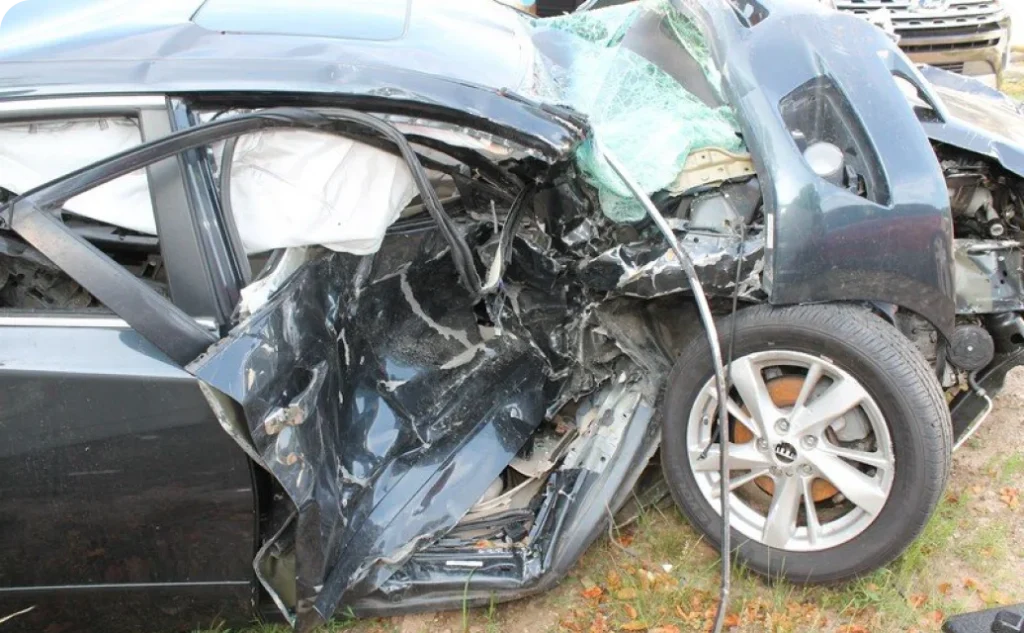
Proving that impairment caused a fatal collision — not just that the driver was impaired — requires a…
 Gerald C. McDevitt
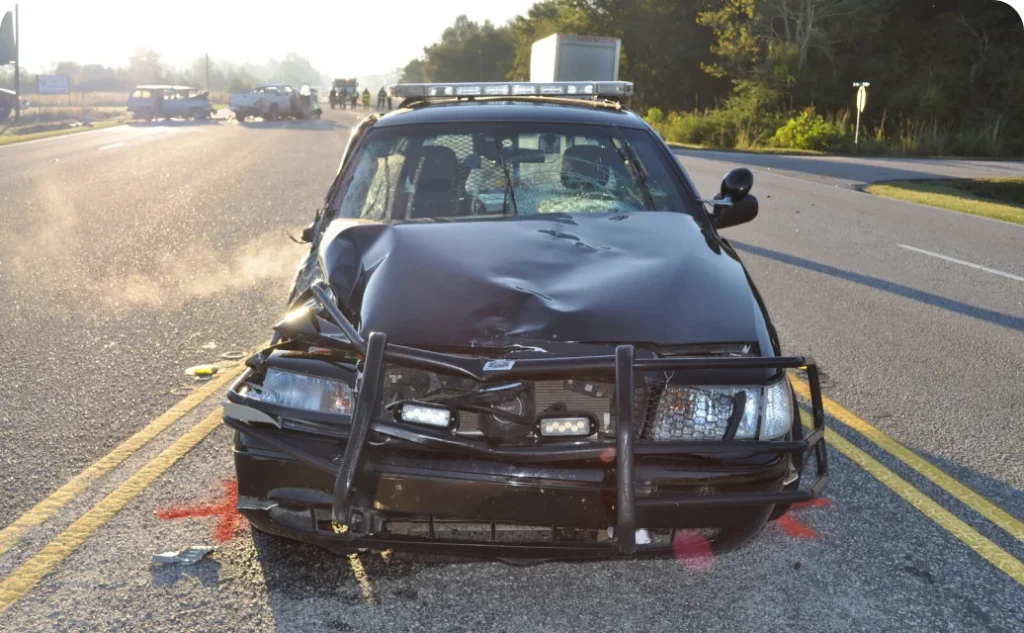
A vehicle cannot leave a scene without leaving evidence — paint transfer, glass, tire impressions, and debris patterns…
 Gerald C. McDevitt
Tractor-trailer and fleet vehicle collisions involve federal regulatory requirements, electronic logging devices, and complex vehicle dynamics that demand…