


 (843) 343-4542
 gerry@mda-recon.com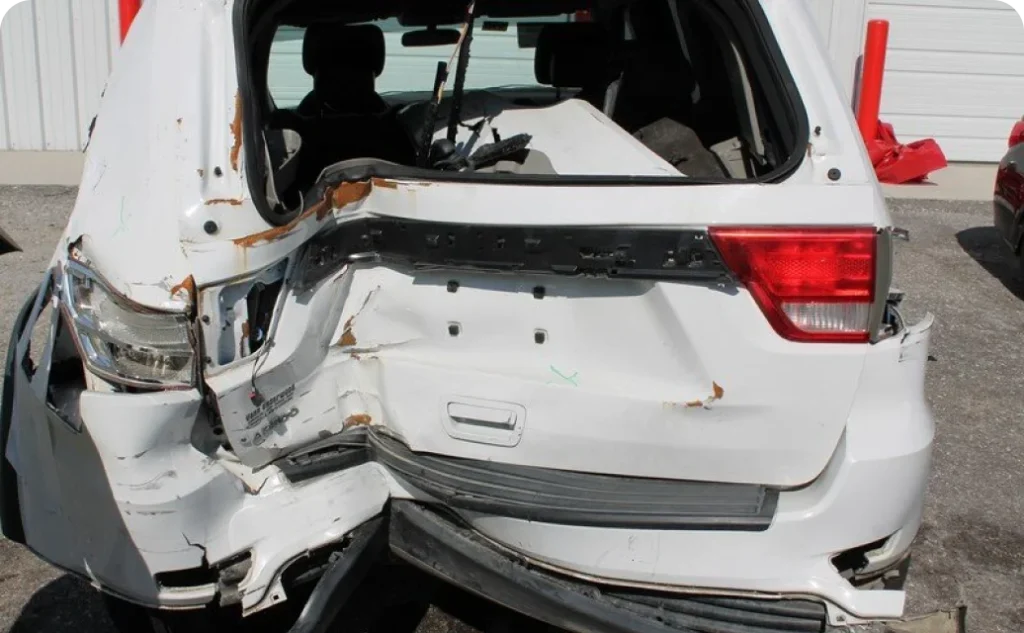
 Gerald C. McDevitt
Low Delta-V Collisions and Disputed Injury Claims: What the Physics Actually Show
Low-speed impacts produce less vehicle damage but can still generate significant occupant forces — forensic reconstruction can distinguish…
When a pedestrian or bicyclist is struck by a vehicle, the body's trajectory, throw distance, and impact kinematics can precisely identify where the collision occurred and how fast the vehicle was traveling.
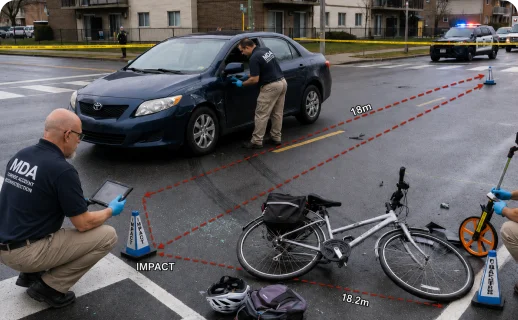
Pedestrian and bicyclist collisions are among the most scientifically complex and emotionally difficult cases attorneys handle. The injuries are often catastrophic or fatal, the evidence is frequently fragile, and the central questions — Could the driver have seen the pedestrian? How fast was the vehicle traveling? Did the pedestrian have time to react? — demand analysis that extends well beyond standard vehicle-versus-vehicle reconstruction. A qualified forensic reconstruction expert brings the physics, the human factors research, and the methodology necessary to answer these questions with scientific defensibility.
Gerald McDevitt has extensive experience with pedestrian and bicyclist fatality cases involving complex impact kinematics, conspicuity analysis, throw distance calculations, and driver perception-response evaluation. The methodology in these cases is demanding because the outcome typically turns on what a reasonably attentive driver could have perceived and what time was available to respond — questions that must be answered with precision to withstand admissibility challenges.
Pedestrian and bicyclist cases differ fundamentally from vehicle-versus-vehicle collisions. The pedestrian or cyclist has no crumple zone, no restraints, and no protection from the forces involved. What might be a minor impact between two vehicles becomes a catastrophic or fatal event when one of the parties is on foot or on a bicycle. This asymmetry shapes every aspect of the reconstruction — from the mechanism of injury to the interpretation of roadway evidence to the application of human factors research.
Grouping pedestrian and bicyclist cases together is appropriate because the reconstruction methodology is largely parallel. Both involve a vulnerable road user struck by a motor vehicle. Both produce characteristic patterns of impact evidence — body marks on the vehicle, clothing transfer, damage to a bicycle frame, and post-impact trajectory of the injured party. Both require analysis of conspicuity, visibility, and driver perception-response. The differences that exist — a bicyclist’s pre-impact speed, the dynamics of a bicycle frame in a collision — are refinements on a shared analytical framework.
When a vehicle strikes a pedestrian or bicyclist, the dynamics of the impact depend on vehicle speed, vehicle shape, the height and orientation of the impacted person, and the point of contact on both the vehicle and the body. Sedan-front impacts produce different kinematic patterns than SUV or pickup-front impacts. An adult pedestrian struck at 25 miles per hour experiences different loading than one struck at 45 miles per hour. A bicyclist struck from behind produces different evidence than one struck from the side. Each case demands reconstruction from the specific facts rather than generalization.
Throw distance analysis — the calculation of how far the pedestrian or bicyclist traveled from the point of impact to the point of final rest — is one of the most useful tools in this kind of reconstruction. Published research establishes statistically validated relationships between vehicle speed and throw distance for various impact configurations. When the point of impact and the point of final rest are both documented, throw distance analysis provides an independent check on vehicle speed that can confirm, refine, or contradict other evidence such as event data recorder output or witness accounts.
The inverse analysis is equally valuable. Given a known vehicle speed from event data recorder information, the expected throw distance for a given impact configuration can be calculated and compared to the documented scene evidence. Discrepancies between expected and documented throw distance often indicate additional factors — secondary impacts, pedestrian movement at the moment of contact, or vehicle behavior that requires further investigation.
The single most contested issue in many pedestrian and bicyclist cases is whether the driver could reasonably have seen the pedestrian or bicyclist in time to avoid the collision. This question — which sounds straightforward — requires careful analysis grounded in the published human factors and conspicuity research.
Nighttime pedestrian cases are particularly demanding. A pedestrian’s detectability depends on ambient lighting, headlight performance, clothing reflectivity, pedestrian position relative to the driver’s line of sight, and the background against which the pedestrian is viewed. Published research documents the distances at which pedestrians in various clothing are typically detectable under various conditions. This research allows the reconstruction expert to evaluate whether a given pedestrian was reasonably detectable at the distance required for the driver to perceive, react, and avoid the collision.
Daytime cases involve different but equally rigorous analysis. Even in full daylight, a pedestrian or bicyclist can be obscured by parked vehicles, landscape features, or other traffic. A pedestrian stepping from behind a large vehicle may have been undetectable until a distance that left no time for effective evasive action. Conversely, a pedestrian visible in an unobstructed sight line for several hundred feet before impact presents a much different analytical picture.
The analysis combines scene documentation, sight-line evaluation, ambient condition reconstruction, and published perception-reaction data to answer the question the trier of fact actually needs answered: given what this driver could reasonably have seen, at what distance, under what conditions, would a reasonably attentive driver have had sufficient time to detect the hazard and take effective action?
The evidence in a pedestrian or bicyclist case is both rich and perishable. Vehicle damage — dents, paint transfer, fabric impressions, and broken components — records the point and direction of contact. Clothing and personal effects carry evidence of the impact and often of the pedestrian’s position and orientation at the moment of contact. Bicycle frames, wheels, and components show damage patterns specific to the collision dynamics. Roadway evidence — scuff marks, debris fields, tire marks, and final rest positions — maps the physical sequence of the collision.
Event data recorder information from the striking vehicle is often decisive. EDR data can confirm pre-impact vehicle speed, whether and when brakes were applied, steering input, and the severity of the impact as experienced by the vehicle. In pedestrian cases where fault turns on whether the driver perceived and reacted to the hazard, EDR data is frequently the most objective evidence available.
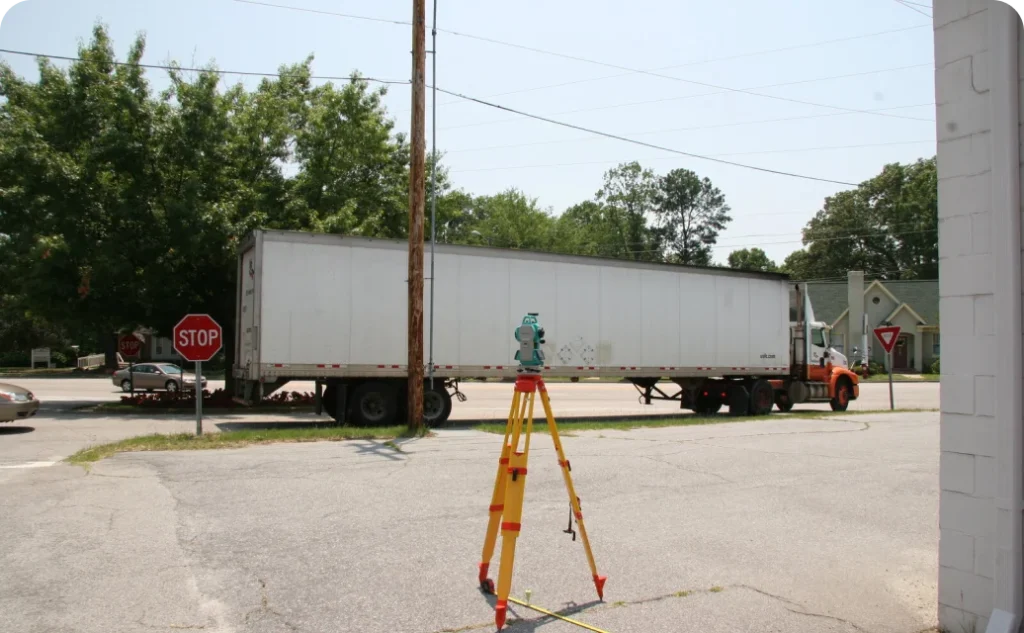
Scene documentation must be thorough and performed with precision measurement. Gerald McDevitt integrates Emlid RS3 GNSS, Sokkia Total Station surveying, Autel EVO II Pro RTK V3 drone aerial photogrammetry, Recon3D LiDAR scanning for vehicle and bicycle documentation, Bosch Crash Data Retrieval for EDR extraction, and Racelogic VBOX GPS data logger for speed and motion data when supplementary testing is warranted. The combination of these data sources produces a reconstruction that can be defended under cross-examination and evaluated against Daubert and Frye admissibility standards.
Once the physical conditions of the collision are established — the vehicle’s approach path, the pedestrian’s position and movement, the ambient lighting and sight-line conditions, and the driver’s reasonable sight distances — the reconstruction expert can evaluate driver perception and response against published research.
Perception-reaction time is the interval between the moment a hazard becomes reasonably detectable and the moment a driver initiates effective action. The published values vary based on the nature of the hazard (expected versus unexpected, clear versus ambiguous), the ambient conditions, and the driver population being evaluated. A reconstruction expert translates these research values into the specific facts of the case: given the distance at which the pedestrian or bicyclist became reasonably detectable, the vehicle’s closing speed, and the time required for perception and response, could a reasonably attentive driver have avoided the collision?
This framework is powerful because it grounds the jury’s evaluation of driver conduct in objective science rather than intuition. It gives the trier of fact a measurable standard against which to evaluate whether the driver’s actions were reasonable under the circumstances.
A pedestrian or bicyclist reconstruction can determine vehicle speed, point of impact, pedestrian or bicyclist position and movement at the moment of contact, throw distance and post-impact trajectory, whether the pedestrian or bicyclist was reasonably detectable under the ambient conditions, and whether a reasonably attentive driver would have had sufficient time and distance to perceive and respond to the hazard. The expert can also provide occupant and pedestrian kinematic analysis describing the mechanism of injury at a physical level.
A reconstruction expert cannot determine the intent or conscious decision-making of the driver, pedestrian, or bicyclist, nor what any individual subjectively perceived at any given moment. These are questions of fact for the jury to decide. The expert’s role is to provide the physical and scientific framework — the measurable reality of what happened — and allow the trier of fact to apply that framework to the specific people involved.
Pedestrian and bicyclist collision cases demand the highest standard of reconstruction work. The physical evidence is rich but perishable. The human factors analysis is rigorous but well-established in the published literature. The combination — integrated scene documentation, validated throw distance and impact dynamics analysis, published conspicuity research, and published perception-response data — produces reconstructions that hold up under cross-examination and meet the admissibility standards required in serious-injury and fatality litigation. For plaintiff and defense counsel alike, a qualified forensic reconstruction expert with experience in pedestrian and bicyclist cases is often essential to a defensible case.
1970 Armory Drive, Mount Pleasant, SC 29466
Gerald C. McDevitt
Low-speed impacts produce less vehicle damage but can still generate significant occupant forces — forensic reconstruction can distinguish…
 Gerald C. McDevitt
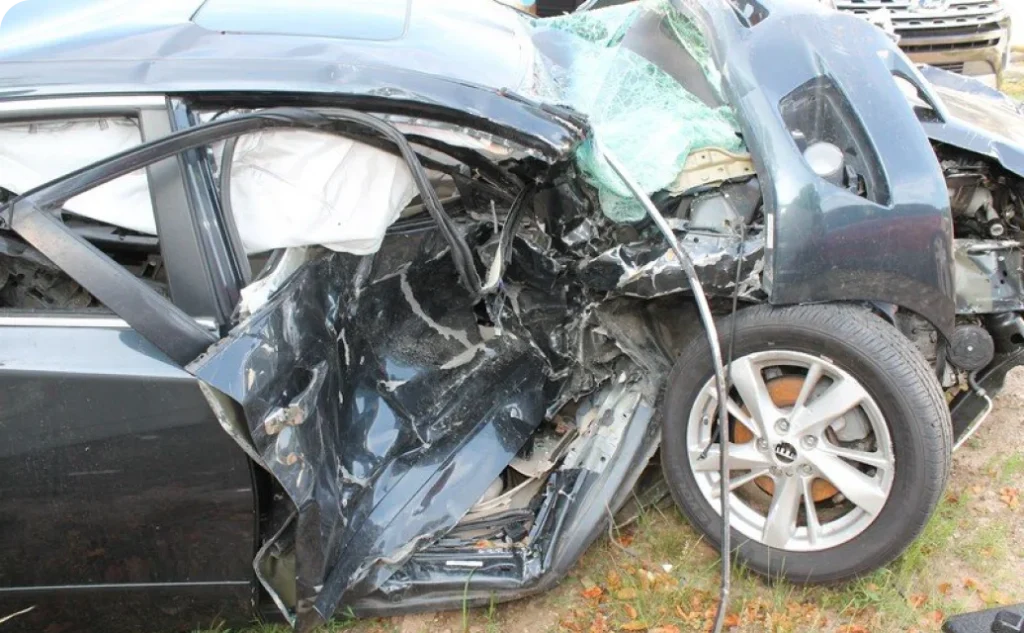
Proving that impairment caused a fatal collision — not just that the driver was impaired — requires a…
 Gerald C. McDevitt
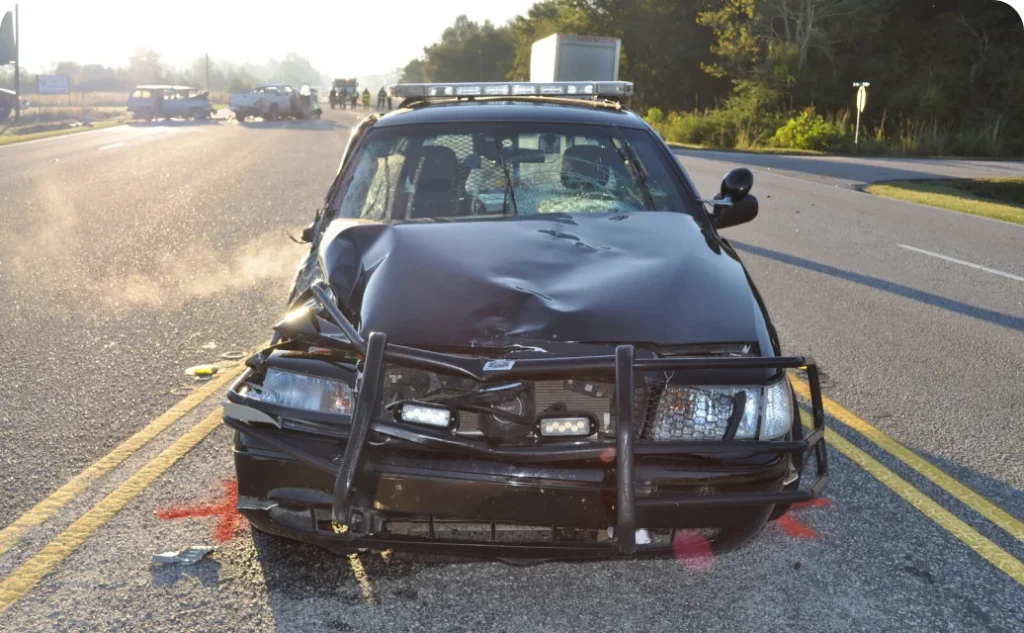
A vehicle cannot leave a scene without leaving evidence — paint transfer, glass, tire impressions, and debris patterns…
 Gerald C. McDevitt
Tractor-trailer and fleet vehicle collisions involve federal regulatory requirements, electronic logging devices, and complex vehicle dynamics that demand…